
Here are some useful tips on how you can assist those in need and get involved in your community.
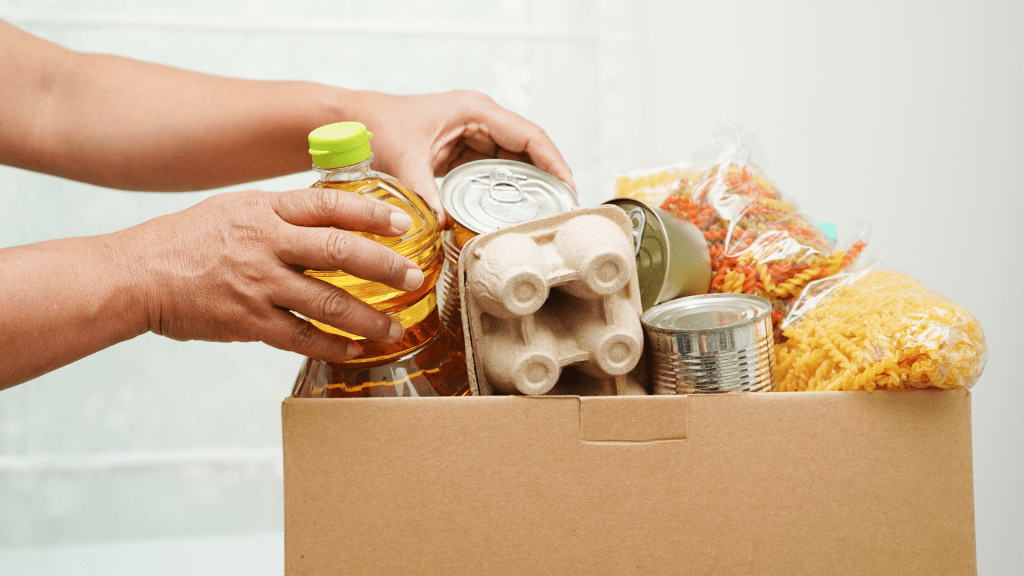
The suggested non-perishable products for one to four people serve as the foundation for a monthly food package. Below, you’ll find a list of perishable items and alternative non-perishable options that can be added based on specific needs.
Perishable Items
Bread, margarine, milk, fresh meat, eggs, fresh vegetables and fruit.
Specific Needs Items
Sanitary napkins (+20 per person), disposable razors, BABIES: disposable diapers, baby products, baby milk, baby porridge, baby medicine (eg gripe water, barrier cream, colic remedy, tooth powder, fever syrup, etc.), CHILDREN: School supplies, fees and uniforms. ELDERLY / BEDBOUND: adult diapers, linen savers, reading glasses (+1.5, +2, etc.).
Seasonal Needs / Ideas
Winter
Blankets, plastic or transparent bin bags and masking tape can be used to insulate windows that don’t close tightly. Bin bags can be filled with sawdust or leaves, shaped like a “worm,” to seal gaps at the bottom of doors. A hot water bag is also an effective way to generate heat and stay warm throughout the night. Additionally, hats, gloves, and scarves are helpful for extra warmth.
Summer
Light bedding, wide-brimmed hats, umbrella or rain coat, bug repellent. (Transparent bin bags and masking tape can be used to temporarily cover broken windows, to shield off open spaces or cover valuables during rain showers. Also, a tarpaulin shields both sun and rain.)
Social Needs
Often, we want to help those in need but aren’t sure where to begin or what we can offer. Here are some guidelines for selecting non-perishable items when putting together a food package. Be sure to consider the season, as well as the needs of children (if applicable) or the elderly.
Please note that the below information is based on South African families. Feel free to adjust it to your country’s cultural habits and cuisine.
1 Person
Bible [if applicable], 250g coffee, 100 tea bags, 5kg maize meal, 500g sugar, 500g salt, 375ml cooking oil, cans of food such as fish (2x), beans (2x), sweetcorn (1x) and mixed vegetables (1x) , soy mince (2x), soup powder (3x), 1 kg washing powder, bath soap, toothpaste, toothbrush.
2 Persons
Bible [if applicable], 250g coffee, 100 tea bags, 5kg maize meal, 2kg rice, 1kg sugar, 500g salt, 375ml cooking oil, cans of food such as fish (3x), beans (2x), sweetcorn (2x) and mixed vegetables (1x), soy mince (3x), soup powder (3x), 1 kg washing powder, bath soap (2x), toothpaste, toothbrushes (2x).
3 Persons
Bible [if applicable], 750g coffee, 100 tea bags, 12.5kg maize meal, 2kg rice, 2.5kg sugar, 500g salt, 750ml cooking oil, cans of food such as fish (4x), beans (2x), sweetcorn (2x) and mixed vegetables (1x), soy mince (4x), soup powder (3x), 2 kg washing powder, bath soap (2x), toothpaste, toothbrushes (3x).
4 Persons
Bible [if applicable], 750g coffee, 100 tea bags, 12.5kg maize meal, 2kg rice, 500g pasta (x2) 2.5kg sugar, 500g salt, 750ml cooking oil, cans of food such as fish (6x), beans (4x) , sweet corn (4x) and mixed vegetables (2x), soy mince (6x), soup powder (6x), 2 kg washing powder, bath soap (3x), toothpaste, toothbrushes (4x).
Be actively involved
There are countless ways you can make a difference in your local community. We’re excited to share some ideas to help you get involved.
SOMEONE WITH EXTRA TIME ON HAND.
Visit the elderly. Many grans have no one to check on them. Simply stopping by can brighten their day. If possible, bring along some homemade cookies, rusks, fresh fruit, or even a bouquet of flowers from your garden.
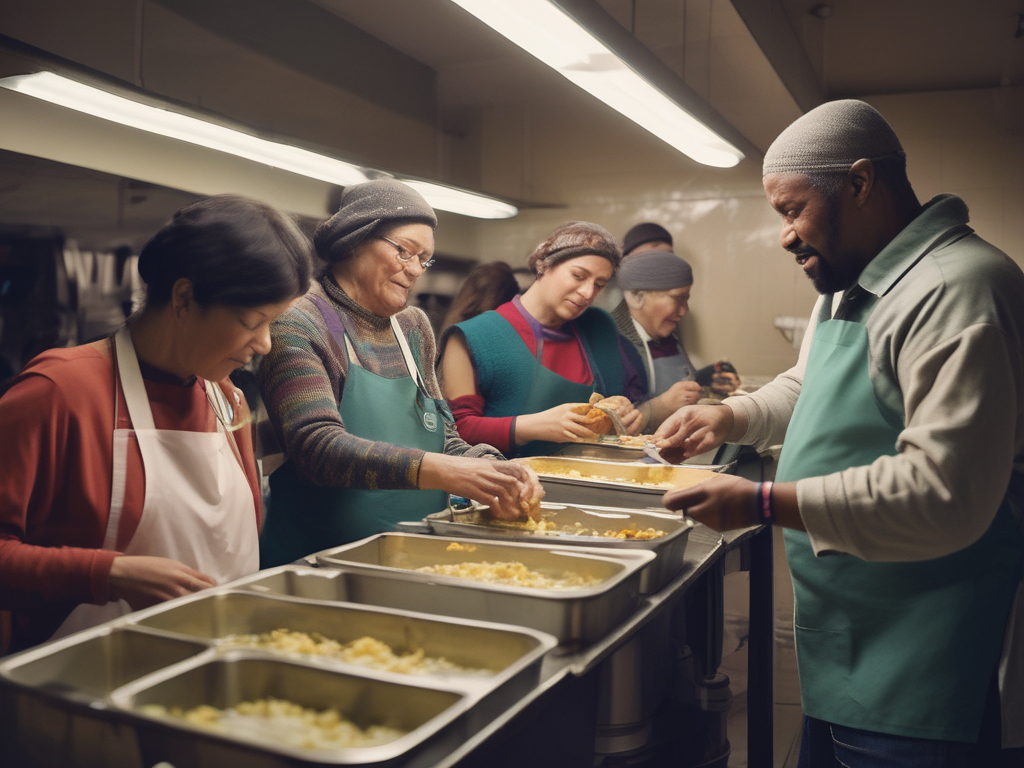
Volunteer at soup kitchens or other social organizations. If you’re not comfortable with direct interaction, you can still make a difference! Many organizations need help with tasks such as cooking soup, preparing sandwiches, peeling vegetables, serving meals, and more.
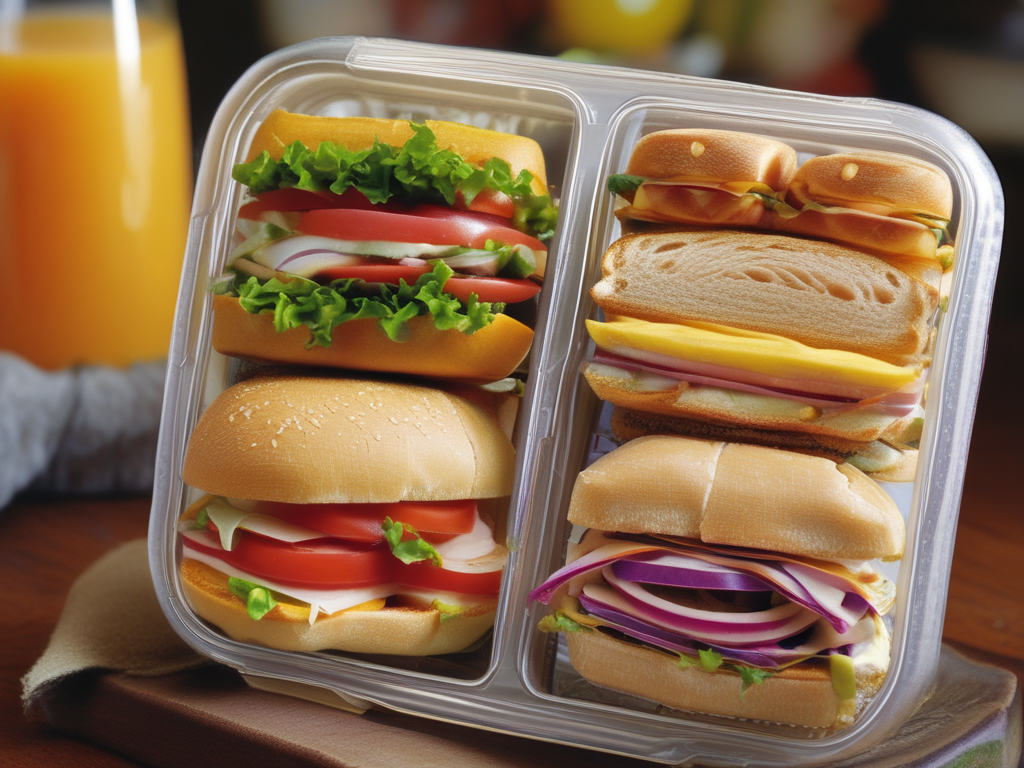
PACK AN EXTRA LUNCHBOX: If your budget permits, consider packing an extra lunchbox for a child in need. Contact the school office to find out where to drop it off, such as at the office or with a specific teacher.
OFFER TEMPORARY ASSISTANCE. If you know of a single parent who is ill or have to go for, or recovering from surgery, offer to help by taking their children to school and extracurricular activities until they are back on their feet. You can also check with the school, as teachers may be aware of such needs. Temporary support could include dropping off a meal, running errands like grocery shopping, or handling essential tasks on their behalf. Elderly individuals often need help with tasks such as shopping or picking up prescription medications.
FINANCIAL ASSISTANCE. If you’re unable to offer physical help but have the financial means to assist, consider supporting local churches and non-profit organizations that provide food and meals. These organizations often rely on financial contributions. If you prefer not to make a direct deposit, you could offer to cover the cost of a specific item, such as a vegetable or meat order, by paying the supplier directly. Also, you can contact schools in your area and ask if there are families in need of school fees or activity sponsors for sport, tours, or practical subject resources (art kits, tools, cooking utensils, etc).
 FANIE MYBURGH